The Real Cost of Treating Acne in Rural Areas: What Nobody Tells You
Let me share something that might surprise you: treating acne in rural areas isn’t just about picking up some over-the-counter cream from your local drugstore. As someone who spent years helping patients in rural communities access dermatological care, I’ve seen firsthand how the true costs – both financial and emotional – can be dramatically different from what most people expect.
I remember meeting Sarah, a high school student from a small farming town three hours from the nearest dermatologist. Her story perfectly illustrates the hidden challenges that rarely make it into conventional acne treatment discussions. “I thought I’d just need to buy some face wash,” she told me, fighting back tears. “I had no idea it would become such a complicated and expensive journey.”
The reality is, treating acne in rural areas involves unique obstacles that urban dwellers rarely face. Today, I’m pulling back the curtain to show you exactly what to expect – and more importantly, how to navigate these challenges without breaking the bank.
Breaking Down the Real Costs
Let’s look at what you’re actually facing when treating acne in rural areas:
1. Medical Consultation Costs
– Initial dermatologist visit: $150-300
– Follow-up appointments: $75-150 each
– Travel expenses (often overlooked): $50-200 per visit
– Lost wages from taking time off: varies by situation
2. Treatment Options and Their Costs
Basic Treatments:
– Over-the-counter products: $10-50 monthly
– Prescription topical medications: $30-500 monthly
– Oral antibiotics: $20-100 monthly
– Isotretinoin (formerly Accutane): $200-1000 monthly
Advanced Treatments:
– Chemical peels: $85-150 per session
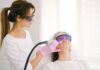
– Light therapy: $40-150 per session
– Extraction procedures: $100-200 per session
Hidden Costs You Need to Know About
Here’s where things get interesting – and where most advice falls short. Rural acne treatment often involves several hidden expenses that can catch you off guard:
Transportation Challenges
– Fuel costs for long-distance travel
– Vehicle wear and tear
– Potential overnight stays for early appointments
– Public transportation limitations
Time Investment
– Multiple hours for travel
– Waiting room time
– Treatment duration
– Recovery periods
Insurance Considerations
– Higher deductibles in rural plans
– Limited specialist coverage
– Out-of-network costs
– Prior authorization requirements
Smart Solutions for Rural Acne Treatment
Now that we understand the full picture, let’s explore practical ways to manage these costs effectively:
1. Telemedicine Options
Many dermatologists now offer virtual consultations, which can significantly reduce travel costs and time investment. While the initial visit might need to be in person, follow-ups can often be handled remotely.
2. Pharmacy Savings Strategies
– Ask about generic alternatives
– Use pharmacy discount cards
– Explore patient assistance programs
– Consider mail-order pharmacies
3. Treatment Planning
– Schedule multiple appointments on the same day
– Coordinate with other medical visits
– Plan treatments during off-peak seasons
– Build a support network for shared travel
Making It Work: Real-World Success Stories
Let’s look at how others have successfully managed their rural acne treatment costs:
Case Study: Michelle’s Strategy
Michelle, a college student from a rural area, reduced her treatment costs by 60% by:
– Using telemedicine for follow-ups
– Joining a prescription savings program
– Coordinating appointments with other commitments
– Finding a local support group for shared travel
Expert Tips for Maximum Savings
Based on my experience working with rural patients, here are some proven strategies to keep costs manageable:
1. Timing Matters
– Book appointments during off-peak hours
– Consider seasonal weather patterns for travel
– Plan around your work/school schedule
2. Insurance Navigation
– Understand your coverage details
– Appeal denied claims when appropriate
– Ask about sliding scale fees
– Explore health sharing ministries
3. Treatment Optimization
– Follow instructions precisely to avoid waste
– Store products properly to extend shelf life
– Learn proper application techniques
– Monitor results systematically
Taking Action: Your Next Steps
Ready to take control of your acne treatment costs? Here’s your action plan:
1. Immediate Actions
– Research telemedicine options in your area
– Contact insurance about coverage details
– Start tracking current skincare expenses
– Join online support groups for rural patients
2. Short-Term Goals (1-3 months)
– Schedule initial consultations
– Create a treatment budget
– Develop a transportation plan
– Build your support network
3. Long-Term Strategy
– Monitor and adjust treatment as needed
– Track expenses and results
– Build relationships with healthcare providers
– Stay informed about new treatment options
Remember, while treating acne in rural areas presents unique challenges, it’s absolutely manageable with the right approach and information. Focus on creating a sustainable plan that works for your specific situation and budget.
Have questions about managing your rural acne treatment costs? Feel free to reach out in the comments below. I’m here to help you navigate this journey successfully.